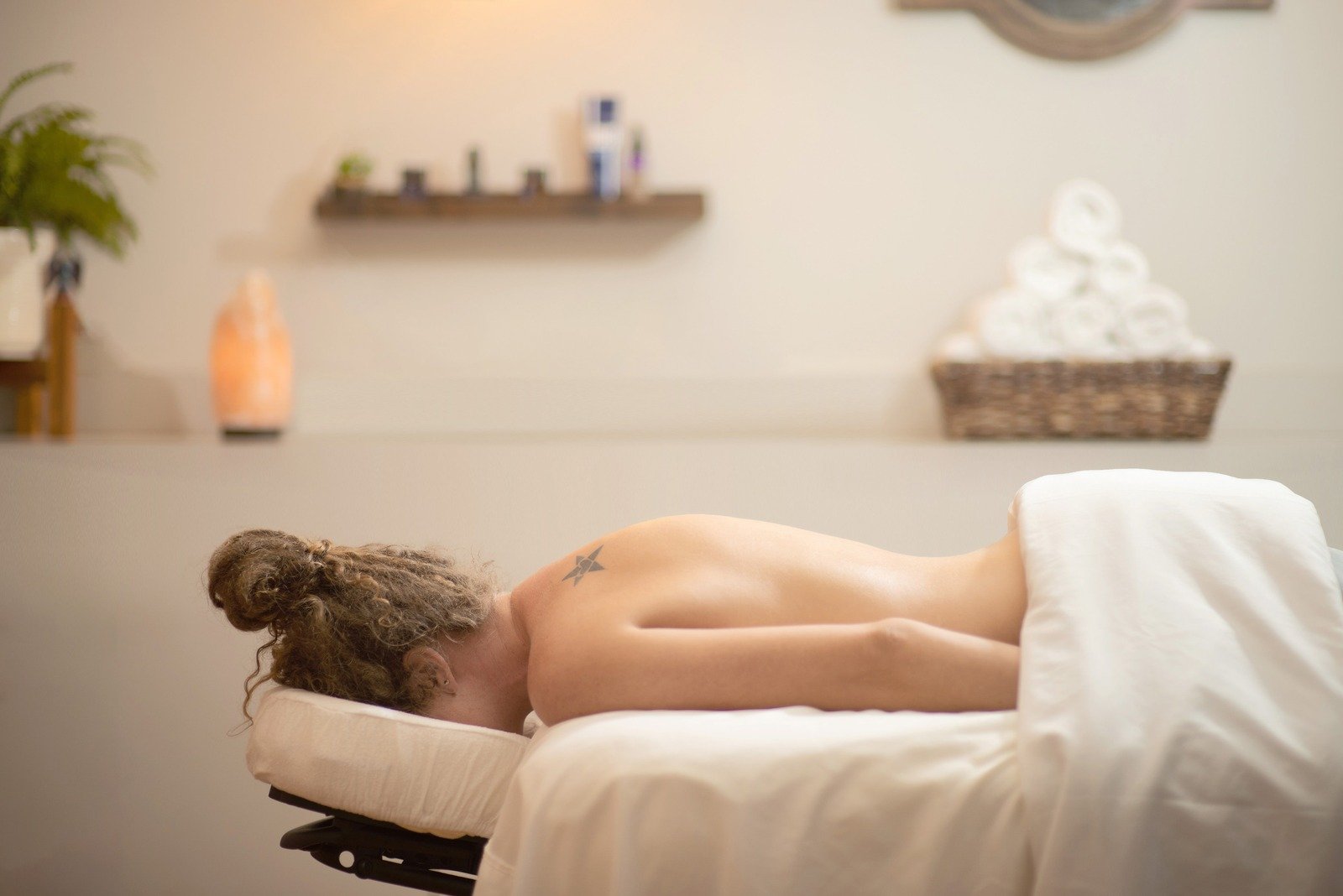

It happens more often than you'd think. You're lying on the massage table, the therapist is working on your shoulders or your hips or your jaw, and suddenly you feel a wave of emotion rise from somewhere you can't name. Maybe it's tears. Maybe it's a deep, involuntary sigh. Maybe it's a feeling of sadness or relief or anger that seems to have no logical connection to the muscle being worked on. You weren't thinking about anything emotional. You weren't reliving a memory. But your body was holding something, and when the tissue released, the feeling surfaced. This is emotional release, and it's one of the most powerful — and most misunderstood — aspects of therapeutic bodywork.
The body doesn't store emotions the way a computer stores files. But it does maintain the physical patterns that emotional experiences create. When you experience stress, fear, grief, anger, or sustained emotional pressure, your muscles respond with specific tension patterns — the shoulders elevate, the jaw clenches, the chest tightens, the hip flexors shorten, the fists close, the breathing restricts. If the emotional experience is brief and fully processed, these patterns resolve naturally. But when emotional experiences are sustained, repeated, overwhelming, or never fully processed — which is most emotional experiences in modern life — the tension patterns become chronic. They're maintained by the nervous system as a kind of protective holding, long after the original emotional event has passed.
When skilled massage releases these chronic holding patterns, the associated emotions can surface. This isn't because the emotion was literally trapped in the muscle fiber. It's because the physical pattern and the emotional experience are neurologically linked — they were created together, held together, and they release together. The hip flexors that shortened during a period of sustained anxiety release during massage, and the anxiety surfaces with them. The jaw that clenched through months of suppressed anger relaxes under therapeutic touch, and flashes of that anger emerge. The chest that tightened during grief opens, and tears come.
The parasympathetic shift that massage produces also plays a role. Most people live in a sustained state of sympathetic activation that suppresses emotional processing — there's no safe moment to feel what needs to be felt because the body is always in some degree of fight-or-flight mode. Massage creates the parasympathetic state that the body needs to process what it's been holding. When the nervous system finally receives the signal that it's safe to rest, the emotions that were waiting for safety come forward. This is why many people who "don't cry" find themselves crying during massage — it's the first time their body has been in a state safe enough to process what it's been carrying.
Every session at Soothe & Sage includes cupping, red light therapy, salt stones, steamed towels, aromatherapy, and warm packs at one flat rate with no add-on fees. Whatever your body needs to release — physical or emotional — this is a safe space for it.