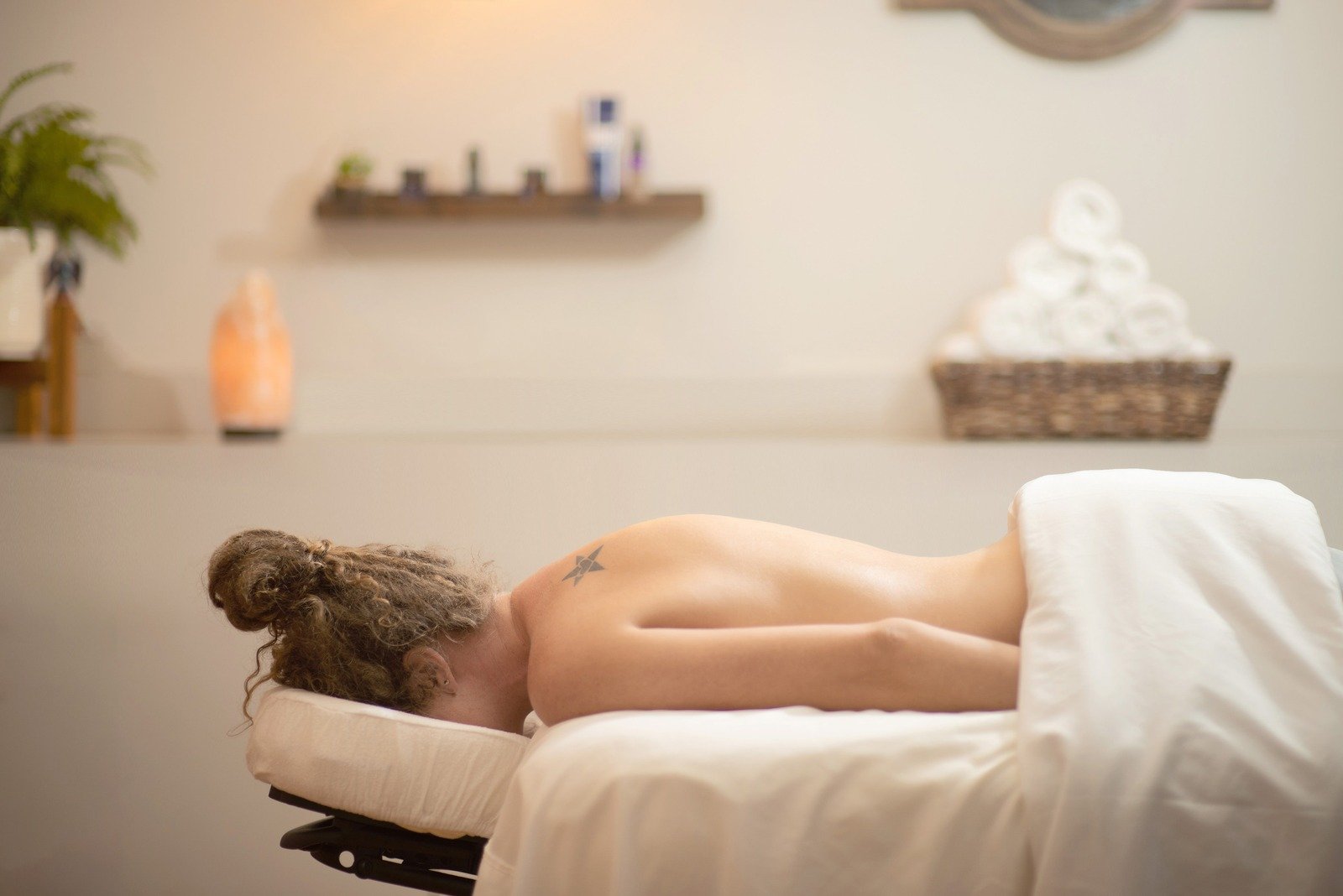

Touch isn't just comforting — it's medicine. The neuroscience of therapeutic touch has revealed something that bodyworkers have known intuitively for thousands of years: skilled human contact produces measurable, reproducible changes in brain chemistry, nervous system function, immune response, and pain perception. When a massage therapist places their hands on your body, they're not just manipulating muscle tissue. They're activating one of the most powerful healing systems your body possesses — a system that evolved specifically to respond to the caring touch of another human being.
Your skin is your largest organ, and it contains a remarkable class of nerve fibers called C-tactile afferents. These specialized sensory neurons don't respond to sharp pressure, temperature, or vibration the way other skin receptors do. They respond specifically to gentle, stroking touch delivered at the speed and pressure characteristic of a caring human hand — approximately 1 to 10 centimeters per second. When activated, C-tactile fibers bypass the brain's analytical centers and send signals directly to the insular cortex, the region responsible for emotional processing, body awareness, and social connection. This is why massage feels fundamentally different from mechanical pressure — your nervous system literally encodes human touch differently than non-human contact.
The neurochemical cascade that follows is extraordinary. Oxytocin — the hormone associated with bonding, trust, and social connection — increases significantly during massage. Serotonin, the neurotransmitter that regulates mood, appetite, and serves as the precursor to the sleep hormone melatonin, rises measurably. Endorphins, the body's natural painkillers, flood the system. Simultaneously, cortisol — the primary stress hormone that, when chronically elevated, suppresses immune function, disrupts sleep, increases inflammation, and promotes fat storage — decreases substantially. This isn't a placebo effect. These are measurable changes in blood chemistry that have been documented across dozens of clinical studies.
The parasympathetic shift is equally powerful. Therapeutic touch activates the vagus nerve — the longest cranial nerve in the body, running from the brainstem through the face, throat, heart, lungs, and digestive organs. Vagal activation slows heart rate, deepens breathing, lowers blood pressure, improves digestive function, and creates the state of deep rest that the body needs for cellular repair and immune function. In a culture where most people live in a state of chronic sympathetic activation — the low-grade fight-or-flight response that modern life sustains — therapeutic touch provides the neurological signal that tells the body it's safe to rest, heal, and restore.
Every session at Soothe & Sage includes cupping, red light therapy, salt stones, steamed towels, aromatherapy, and warm packs at one flat rate with no add-on fees. Your body was built to heal through touch — let it.