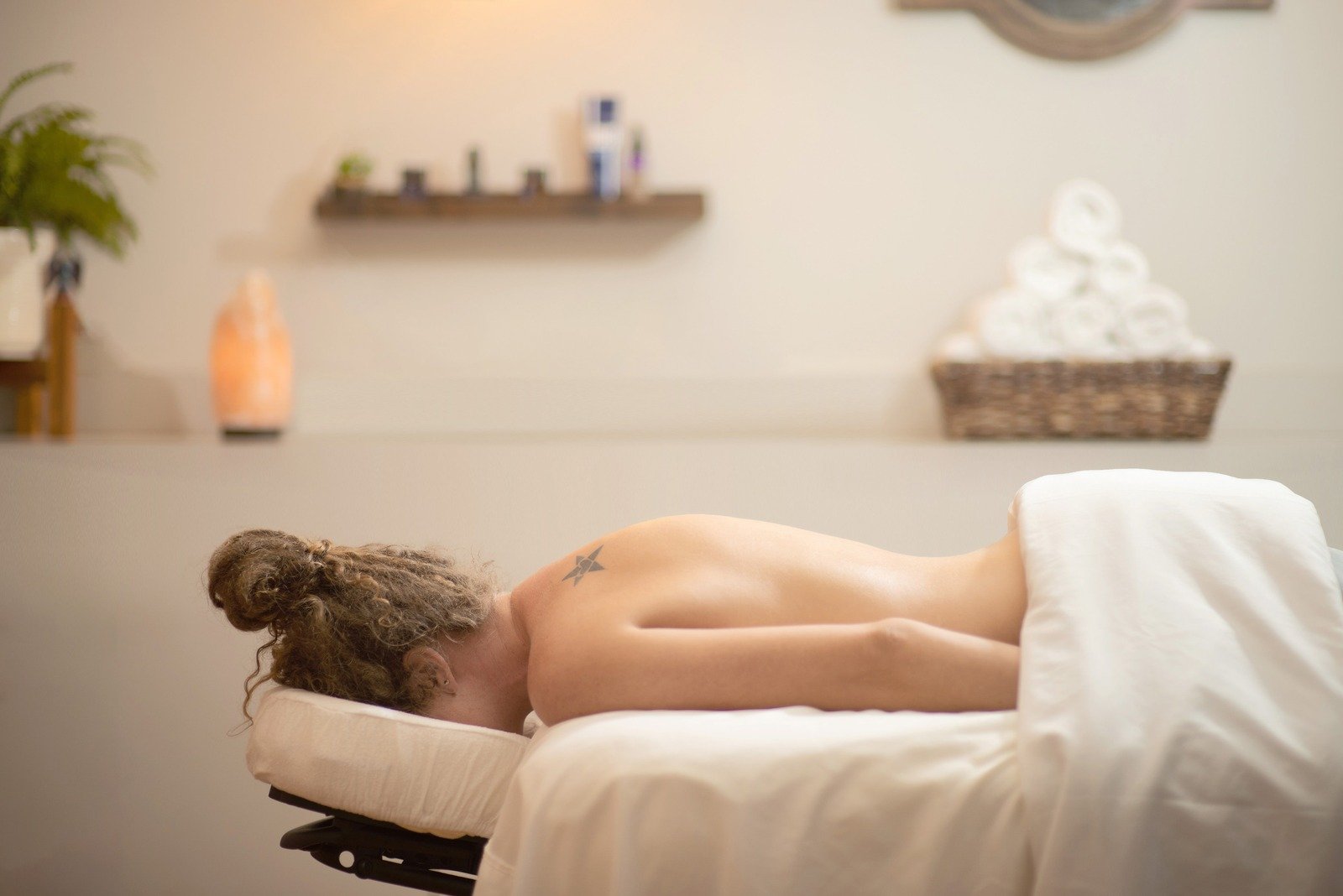

Fall in Spokane is the most beautiful and most transitional season — a bridge between summer's relentless activity and winter's sustained demands. The leaves change, the air sharpens, and the body begins the subtle shift from outdoor-active mode to cold-weather-survival mode. This transition happens whether you manage it or not. The question is whether you enter winter carrying summer's unresolved strain on top of winter's new demands, or whether you clear the decks and enter the cold months with a body that's prepared for what's coming. A fall massage is a seasonal tune-up — the most strategic time of year to invest in your body.
Summer leaves a residue that fall energy alone doesn't clear. Months of hiking, biking, gardening, paddling, and outdoor weekends created cumulative fatigue in muscles, tendons, and joints that the fun of summer activity masked. The IT bands that tightened progressively across miles of trail running, the shoulders that accumulated strain from kayaking weekends, the low back that absorbed garden after garden of bending and lifting, the hamstrings that shortened from cycling, the calves that fatigued from trail hiking — these patterns don't resolve themselves when the activity stops. They persist as chronic tightness and reduced range of motion that compounds once winter adds its own demands on top. Clearing this summer residue in fall prevents the stacking effect that makes January bodies feel ten years older than July bodies.
The immune system benefits of fall massage are particularly strategic. Cold and flu season begins in earnest as temperatures drop and people move indoors. Research consistently shows that massage increases natural killer cell activity — the immune system's frontline defense against viral infection — and reduces cortisol, which in chronic elevation suppresses immune function. Establishing or maintaining a regular massage practice in fall builds the immune resilience that determines how many sick days winter costs you. Think of fall massage as immune system fortification before the seasonal assault begins.
The nervous system transition matters too. As daylight decreases below twelve hours and continues dropping toward winter's eight-hour days, the body's melatonin and serotonin production shifts. These neurochemical changes affect mood, energy, sleep quality, and the baseline stress response that determines how you handle the holiday season's emotional and physical demands. Massage's documented ability to increase serotonin and reduce cortisol provides a natural neurochemical buffer against the seasonal shifts that contribute to the winter blues, holiday anxiety, and the general heaviness that many Spokane residents feel as the days shorten.
Every session at Soothe & Sage includes cupping, red light therapy, salt stones, steamed towels, aromatherapy, and warm packs at one flat rate with no add-on fees. Fall is the time to prepare — your winter self will thank you.