
Spokane's martial arts community trains with a dedication that few other athletic populations match. Brazilian jiu-jitsu academies, boxing gyms, Muay Thai programs, wrestling clubs, MMA facilities, and traditional martial arts dojos across the city are filled with athletes who push their bodies through demands that combine every physical quality — explosive power, sustained endurance, extreme flexibility, impact tolerance, and the mental intensity of training against resisting human opponents. Combat sports are unique in that the resistance you train against isn't a weight or a distance or a time — it's another person who's trying just as hard as you are. That unpredictable, full-body, maximum-effort environment creates physical demands that no other category of athletics replicates.
Grapplers — jiu-jitsu practitioners, wrestlers, judo players — absorb a specific pattern of strain that revolves around sustained isometric loading against resistance. Holding positions, fighting for grips, defending submissions, and maintaining pressure require sustained maximum-effort muscle contraction that creates the deep, system-wide fatigue that grapplers recognize as distinctly different from any other type of tired. The neck sustains compression from headlocks, stacking, and the tucked chin position that submission defense requires. The shoulders absorb the strain of kimura and americana defense, the pulling demands of grip fighting, and the posting and framing that bottom position requires. The hips sustain extreme ranges of motion from guard play, triangle attempts, and the sustained hip flexion that many grappling positions demand. The grip fatigues from hours of gi or no-gi hand fighting.
Strikers — boxers, kickboxers, Muay Thai practitioners — face different but equally punishing demands. The rotator cuff and shoulder capsule absorb the repetitive loading of hundreds to thousands of punches per training session — each one requiring explosive shoulder extension followed by rapid deceleration. The hips and hip flexors sustain the explosive demands of kicks, the sustained chamber position during combinations, and the lateral movement that ring craft requires. The forearms and wrists absorb the impact of pad work, heavy bag training, and sparring contact. The thoracic spine sustains the rotational loading of power generation from the trunk. And the cumulative impact loading from strikes received during sparring creates microtrauma throughout the body that demands recovery between sessions.
The nervous system dimension matters enormously in combat sports. Training against resisting opponents creates sustained sympathetic activation that exceeds what most other sports produce. The threat-response system stays elevated throughout sparring and hard rolling, keeping cortisol high and the fight-or-flight state engaged for the duration of training. This repeated sympathetic loading without adequate parasympathetic recovery leads to the overtraining syndrome that many dedicated martial artists experience — persistent fatigue, irritability, disrupted sleep, and declining performance despite continued effort.
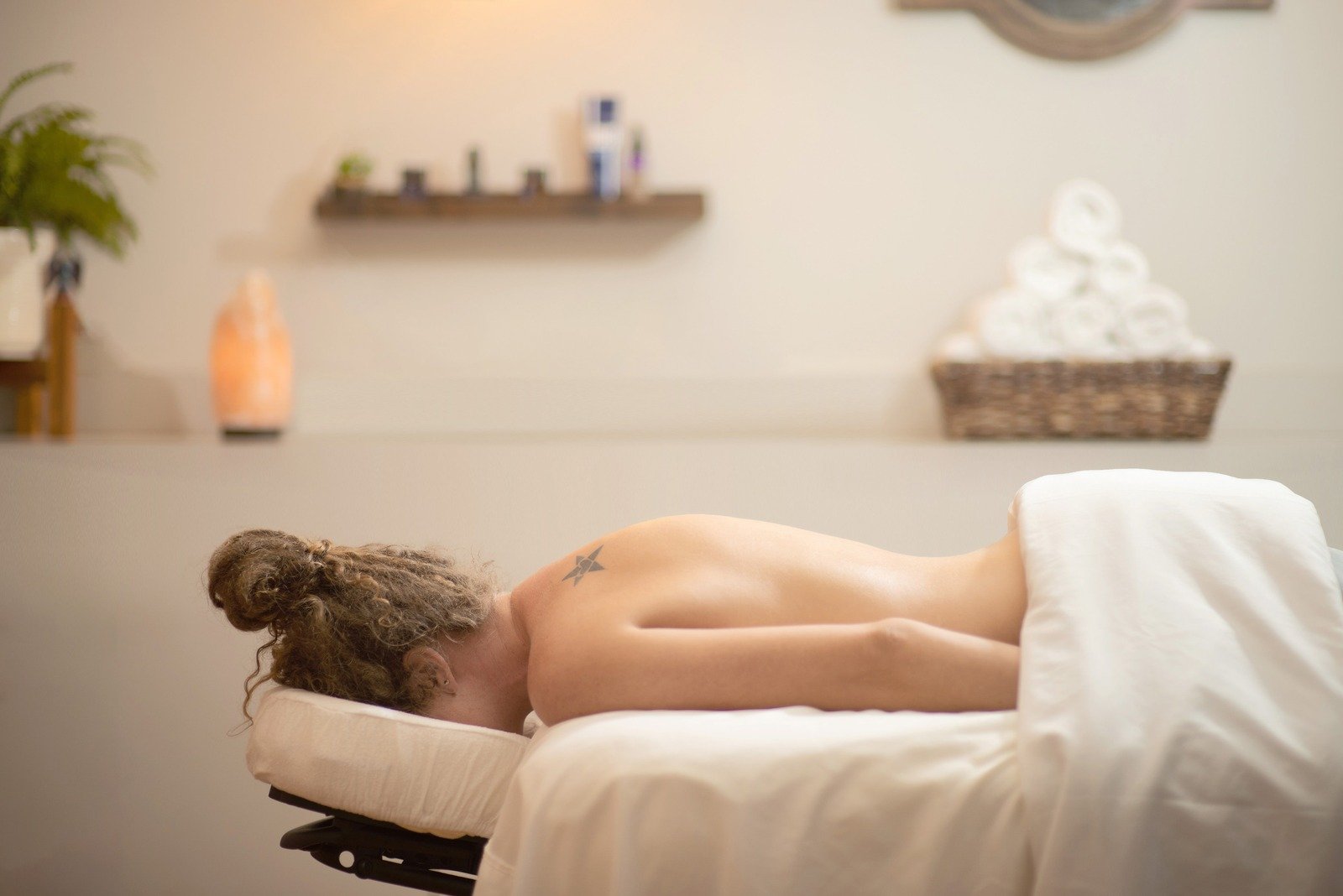
Every session at Soothe & Sage includes cupping, red light therapy, salt stones, steamed towels, aromatherapy, and warm packs at one flat rate with no add-on fees. Recovery isn't optional — it's the other half of your training.