
The work-from-home revolution eliminated commutes, office politics, and uncomfortable dress codes. What it didn't eliminate is the physical damage of desk work — and in many cases, it made it significantly worse. If you've been working remotely from Spokane and your neck, shoulders, and back hurt more now than they did in the office, you're not imagining it. Your home office is almost certainly a worse ergonomic environment than whatever corporate setup you left behind, and the loss of built-in movement opportunities that office life provided has compounded the damage.
Consider the typical remote work setup: a laptop on a kitchen table, a dining chair that offers zero lumbar support, a screen that sits 8-12 inches below eye level, and a workspace that was designed for eating dinner, not for spending 8 hours a day typing. Even dedicated home offices often feature furniture that prioritizes aesthetics over ergonomics — beautiful desks at the wrong height, stylish chairs that offer no adjustability, and monitor positions that were placed for appearance rather than for cervical spine health. The result is a working environment that forces the body into sustained positions that create chronic damage faster than a properly equipped office.
The loss of incidental movement is equally damaging. In an office, you walk to the parking lot, to the elevator, to the conference room, to the break room, to a colleague's desk. These small movements aren't exercise, but they break up the sustained static loading of seated work and prevent the tissue from setting into the compressed positions that create pain. At home, the commute is 15 steps from the bedroom to the desk. The conference room is the same chair with a different Zoom link. The break room is a refrigerator 10 feet away. The total daily movement for many remote workers has collapsed to a fraction of what it was, and the body is paying the price.
Zoom fatigue adds a dimension of strain that office meetings never created. Video calls demand sustained eye contact with a small screen area, constant self-monitoring of your own video image, and the neurological effort of processing communication without natural body language cues. The jaw clenches from the sustained facial performance. The suboccipitals strain from the focused forward gaze. The upper traps elevate from the unconscious effort of appearing engaged and professional on camera for hours each day.
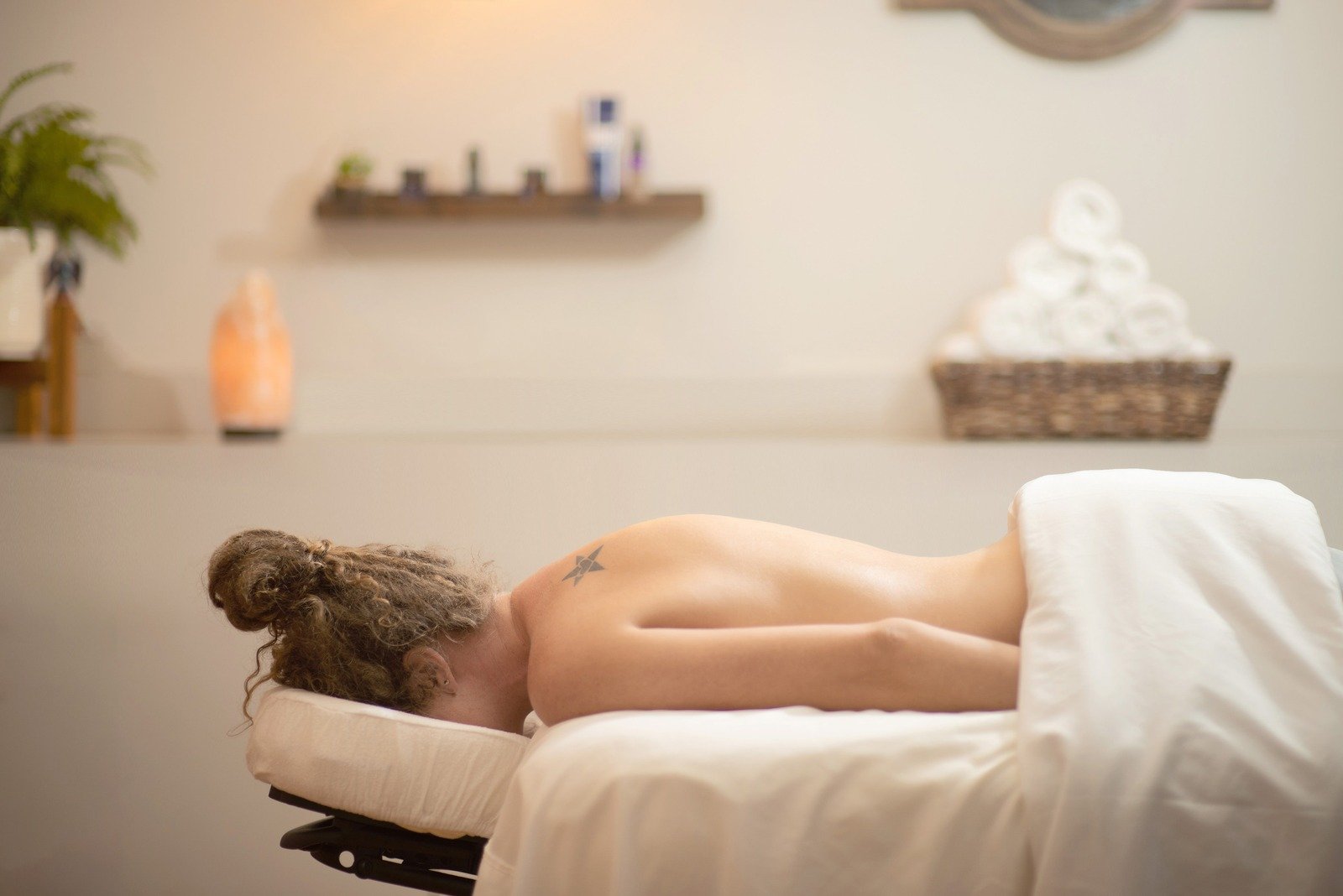
The blurred boundary between work and rest may be the most insidious damage. When your office is your home, the body never fully receives the signal that work is over. The nervous system remains in a low-grade work-alert state even during evenings and weekends because the physical environment associated with stress is the same environment where rest is supposed to happen. Massage provides a definitive physical break — a different environment, therapeutic touch, and parasympathetic activation that signals to the nervous system that work is truly over for this hour.
Every session at Soothe & Sage includes cupping, red light therapy, salt stones, steamed towels, aromatherapy, and warm packs at one flat rate with no add-on fees. Step away from the home office — your body will thank you.