
Spokane summers are glorious — and they're surprisingly demanding on the body. When the temperature climbs into the 90s and the daylight stretches past nine o'clock, the temptation to fill every weekend with hiking, biking, kayaking, gardening, swimming, and outdoor festivals is irresistible. And it should be — Spokane's summers are too short and too beautiful to spend indoors. But the sudden jump from winter's relative inactivity to summer's packed outdoor schedule creates a physical reality that enthusiasm alone can't overcome: your body is doing more, in more heat, with less recovery time than it had all winter. Without intentional recovery, summer's abundance becomes summer's breakdown.
Heat changes the equation in ways that most people don't account for. When ambient temperature rises, the body diverts blood flow to the skin for cooling, which reduces the blood available for muscle function and recovery. Sweating depletes not just water but the electrolytes — sodium, potassium, magnesium, and calcium — that are essential for proper muscle contraction and relaxation. This electrolyte depletion is why summer muscle cramps are so common and why they strike during or after activity rather than during rest. The muscles literally lack the mineral resources to contract and release properly, and the result is the sudden, painful cramping that can stop a hike, ruin a bike ride, or wake you up at 3 AM after a long day in the garden.
The activity spike creates its own problems. Bodies that spent five months in reduced-activity winter mode are suddenly asked to perform at summer levels — long hikes on uneven terrain, multi-hour bike rides, hours of yard work in the heat, weekend after weekend of physical demand without adequate recovery. This is the recipe for overuse injuries: the Achilles tendon that's fine for a two-mile winter walk but not for a six-mile summer trail hike, the shoulder that manages desk work but protests after a day of kayaking, the low back that tolerates sitting but rebels after six hours of gardening. The gap between winter capacity and summer demand is where injuries live.
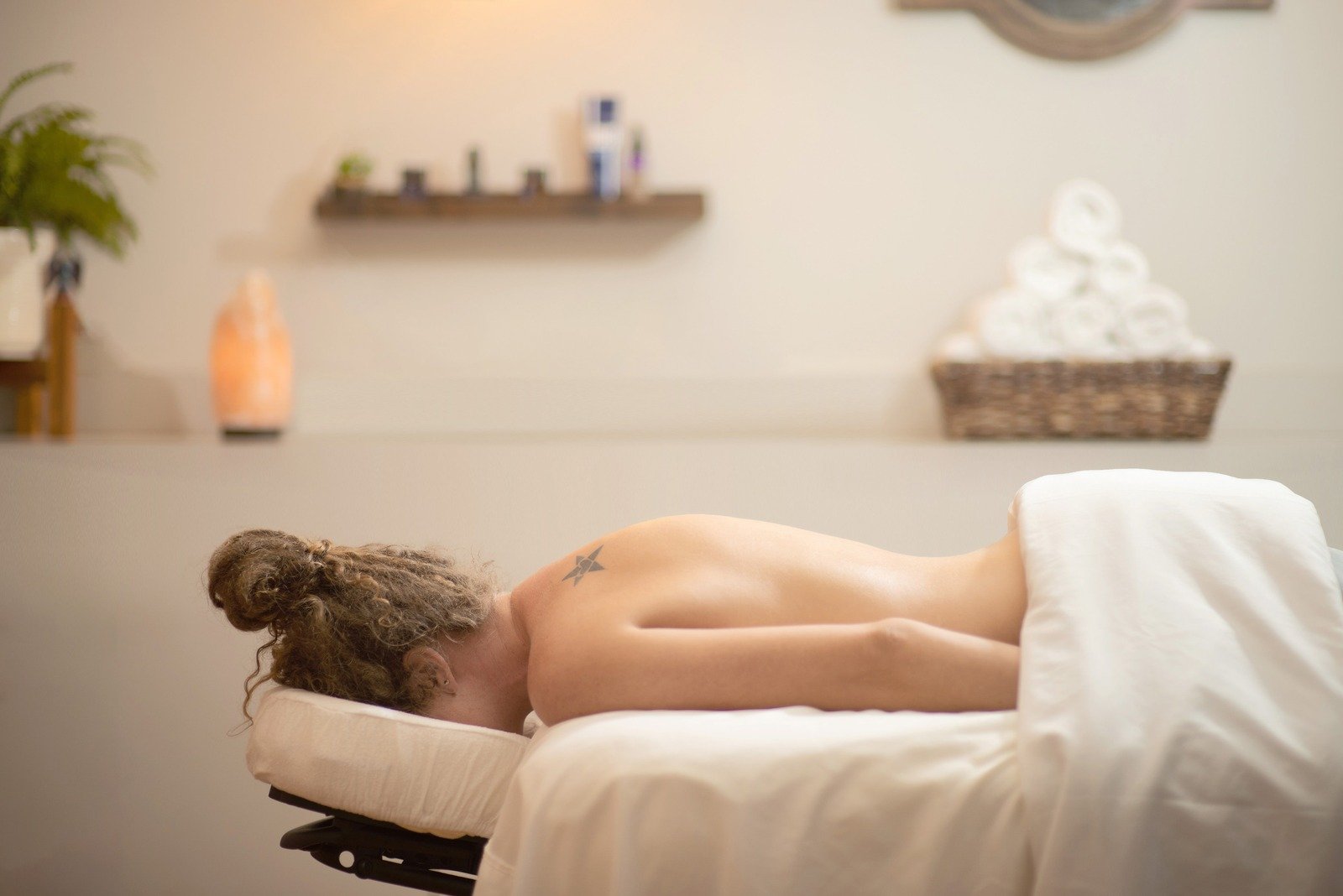
Massage during summer serves a different purpose than winter massage. In winter, the goal is often releasing cold-weather bracing and maintaining mobility during reduced activity. In summer, the goal shifts to recovery from increased activity, maintaining tissue hydration and circulation in heat, preventing the overuse injuries that activity spikes create, and keeping the body performing at the elevated level that summer demands. Regular massage between active weekends provides the recovery window that prevents minor soreness from becoming chronic strain — and keeps you doing the things that make Spokane summers worth every month of winter.
Every session at Soothe & Sage includes cupping, red light therapy, salt stones, steamed towels, aromatherapy, and warm packs at one flat rate with no add-on fees. Your summer body deserves summer care.