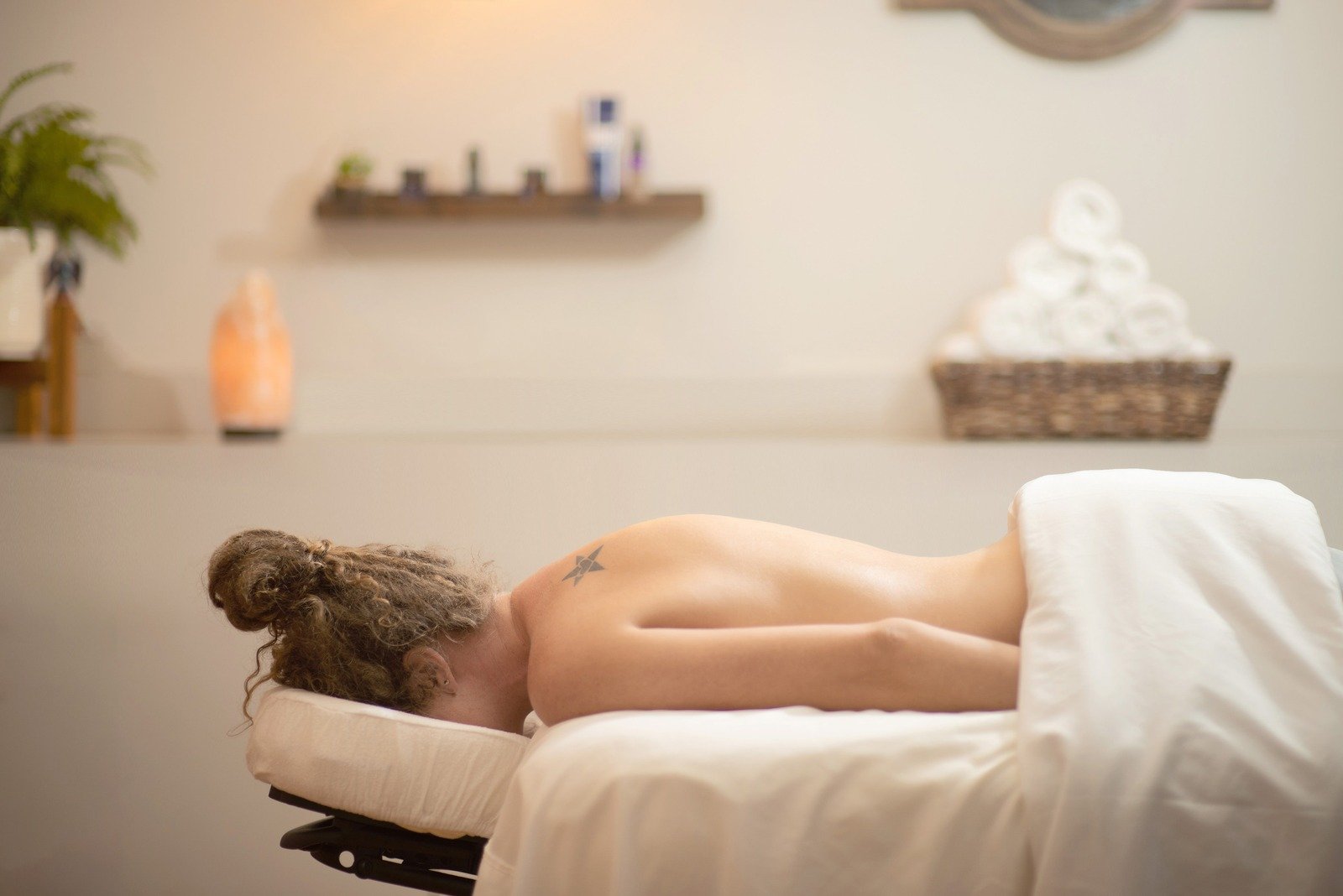

Diastasis recti massage at Soothe and Sage in Spokane WA

Diastasis Recti Massage

Soothe & Sage

Supporting Your Core's Recovery After Pregnancy

Rebuilding from the Inside Out

After pregnancy, many women discover that their abdominal muscles have separated along the midline — a condition called diastasis recti that affects up to 60% of postpartum women. You might notice a visible ridge or bulge running down the center of your belly when you sit up, a persistent "pregnant-looking" belly months after delivery, chronic low back pain that won't resolve, or a sense that your core simply doesn't work anymore. Massage plays a supportive role in diastasis recti recovery by addressing the fascial restrictions, compensatory pain patterns, and tissue healing needs that surround this condition.

During pregnancy, the linea alba — the band of connective tissue running vertically between the two halves of your rectus abdominis — stretches and thins to accommodate the growing uterus. In diastasis recti, this tissue remains widened after delivery, leaving a gap between the muscle bellies that compromises core function. The abdominal muscles can't generate effective tension across this gap, so the back muscles, hip flexors, and pelvic floor must compensate. This compensatory pattern is often the source of the chronic back pain, pelvic floor issues, and hip dysfunction that accompany diastasis recti.

Massage addresses diastasis recti recovery from multiple angles. First, gentle fascial release work around the linea alba and the abdominal wall helps ensure that adhesions don't form in ways that prevent proper healing. The tissue needs mobility to reorganize and strengthen — if it's bound down by fascial restrictions, recovery stalls. Second, releasing the compensatory muscles (particularly the erector spinae, quadratus lumborum, hip flexors, and obliques) that have been working overtime provides immediate pain relief and creates better conditions for core rehabilitation exercises to be effective.

The approach is gentle and progressive. In the early postpartum period, work focuses on the compensatory patterns rather than the abdomen itself. As healing progresses and your provider clears you for direct abdominal work, gentle fascial techniques can be applied to the abdominal wall to support tissue mobility and blood flow to the healing linea alba. This is never aggressive or forceful — the tissue is in a recovery process that benefits from support, not pressure.

Red light therapy offers particular value for diastasis recti recovery because it stimulates collagen production — and collagen is the primary structural protein in the linea alba. By supporting the tissue's ability to produce and organize new collagen fibers, red light therapy creates conditions that favor stronger healing. Combined with appropriate exercises (recommended by a pelvic floor physical therapist) and hands-on fascial support from massage, this multi-modal approach gives the linea alba its best chance at meaningful recovery.

Fascial Release

Gentle release of adhesions around the linea alba and abdominal wall ensures the healing tissue has the mobility it needs to reorganize and strengthen properly.

Back Pain Relief

When the core can't stabilize the spine, the back muscles compensate aggressively. Releasing this compensatory tension provides immediate relief while you rebuild core strength.

Collagen Support

Red light therapy stimulates collagen production in the linea alba, supporting the tissue's structural recovery. Included free with every session at Soothe & Sage.

Exercise Enhancement

Massage ensures the tissue around the separation is mobile and well-circulated, making corrective exercises more effective by removing fascial barriers to proper muscle engagement.

Jordan Crogan L.M.T., massage therapist in Spokane WA

Written by Jordan Crogan, L.M.T., owner of Soothe & Sage Massage in Spokane's Garland District. Jordan has over a decade of hands-on massage therapy experience and provides customized sessions for deep tissue work, prenatal massage, lymphatic drainage, cupping, and restorative bodywork.

Support Your Core's Healing

Diastasis recti recovery benefits from a multi-modal approach. Massage addresses the fascial restrictions and compensatory pain patterns while red light therapy supports collagen healing. Both are included at one flat rate — no add-on fees, ever.

BOOK YOUR RECOVERY MASSAGE
Your Core Can Recover — Give It the Support It Needs

60-minute sessions are $135 and 90-minute sessions are $165. Every session includes red light therapy, salt stones, steamed towels, aromatherapy, and warm packs — all at one flat rate. No add-on fees, ever.

BOOK YOUR APPOINTMENT HERE

Diastasis Recti Massage FAQ

Can massage help diastasis recti?
Massage supports diastasis recti recovery by releasing fascial restrictions around the linea alba, addressing the compensatory back and hip pain that abdominal weakness creates, improving circulation to healing tissue, and supporting the overall recovery environment. While massage alone doesn't close the gap, it's a valuable complement to corrective exercises by ensuring the tissue has the mobility and blood flow needed to heal.
What is diastasis recti?
Diastasis recti is the separation of the rectus abdominis (six-pack) muscles along the midline of the abdomen. During pregnancy, the growing uterus stretches the linea alba — the connective tissue between the two sides of the rectus abdominis — causing it to thin and widen. This affects up to 60% of postpartum women and can cause a visible bulge, weak core, back pain, and pelvic floor dysfunction.
How does massage help with diastasis recti recovery?
Massage helps by releasing fascial adhesions around the separated tissue that can prevent proper healing, addressing chronic back pain from core weakness, releasing the hip flexors and obliques that compensate for weakened rectus abdominis, improving circulation to the healing linea alba, and reducing the overall tension patterns that develop when the core can't do its job.
When can I get abdominal massage after having a baby?
Gentle abdominal massage is typically safe 6-8 weeks after vaginal delivery and 8-12 weeks after cesarean delivery, once your healthcare provider clears you. The approach begins very gently — supporting tissue mobility without forcing anything — and progresses as healing allows. Even before direct abdominal work is appropriate, massage for the compensatory back and hip pain is immediately beneficial.
Does red light therapy help diastasis recti?
Red light therapy supports diastasis recti recovery by stimulating collagen production in the stretched linea alba, reducing inflammation that impairs healing, and promoting cellular repair at the tissue level. While research specific to diastasis recti is emerging, the general wound-healing and collagen-stimulating properties of red light make it a logical complement to recovery. It's included free at Soothe & Sage.
Visit Soothe & Sage in the Garland District

1411 W. Garland Ave, Suite A • Spokane, WA 99205
Three blocks west of the Garland Theater • Free lot parking available
Phone/Text: 509 263 6099
@SootheandSageMassage on Instagram

Call / Text Book Now