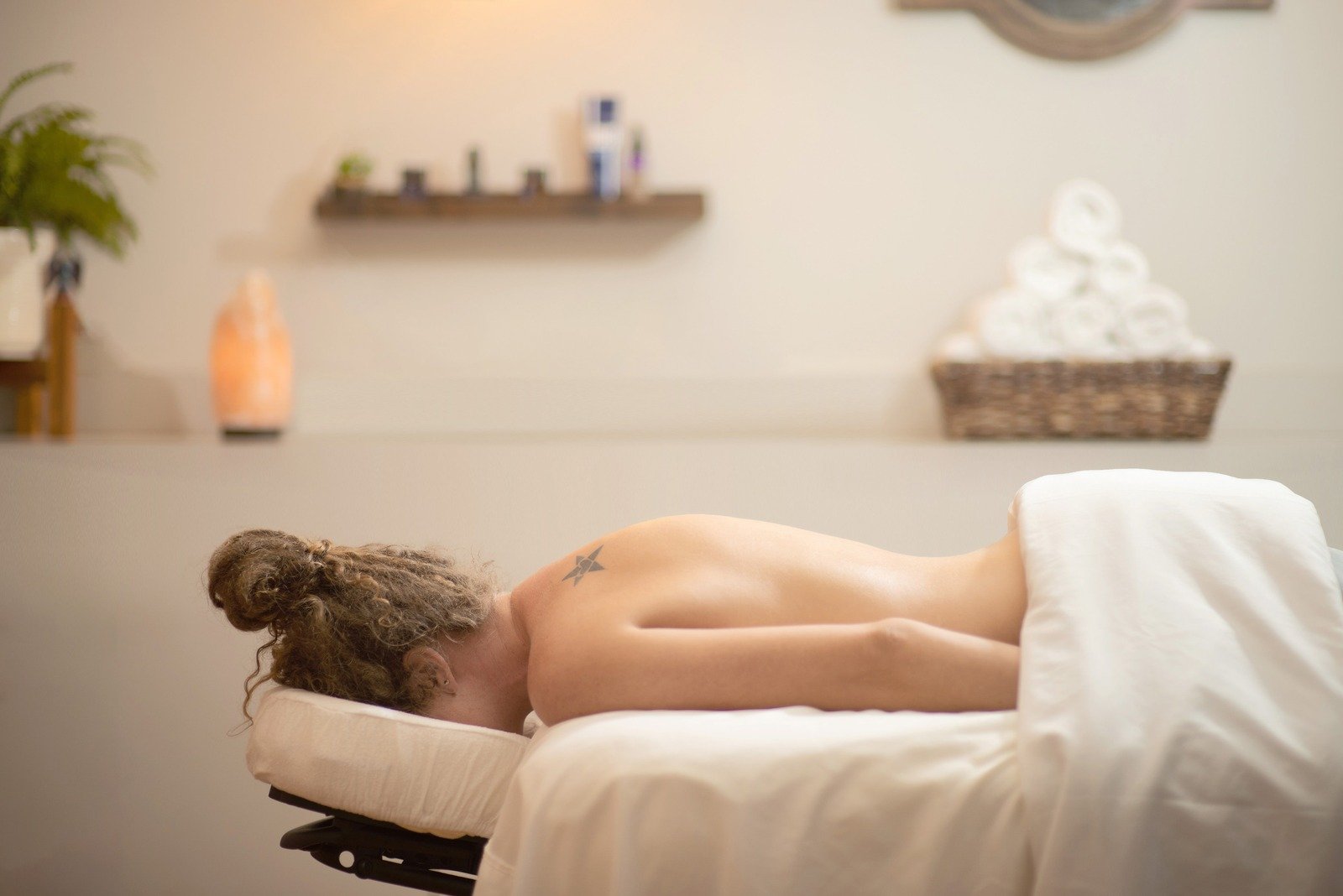

If you're pregnant and wondering whether massage is safe, the short answer is yes — when performed by a trained prenatal massage therapist, massage is not only safe during pregnancy but actively beneficial. Research consistently shows that prenatal massage reduces stress hormones, decreases pregnancy-related pain, improves sleep quality, and supports emotional well-being for both mother and baby. It's one of the most effective ways to manage the physical discomforts that come with growing a human being.
The most common recommendation is to begin prenatal massage in the second trimester, after 12-13 weeks, when the pregnancy is well established and the risk of miscarriage has significantly decreased. However, gentle massage can be appropriate earlier for women with uncomplicated pregnancies — this is a conversation to have with your OB or midwife. Once you're in the second and third trimesters, regular massage becomes one of the most supportive things you can do for your changing body.
What makes prenatal massage different from regular massage is the attention to positioning, pressure, and areas of focus. Your body is going through extraordinary changes — ligaments are loosening, your center of gravity is shifting, blood volume increases by nearly 50%, and your organs are rearranging to accommodate your growing baby. A skilled prenatal therapist understands these changes and adapts every aspect of the session accordingly.
At Soothe & Sage, I use a full body prenatal cushion that allows you to lie comfortably face-down throughout your pregnancy — something most massage therapists simply cannot offer. This means I can work on your back, shoulders, and hips the way they actually need to be worked, rather than compromising with awkward side-lying positions. The cushion provides full belly and chest support, distributing your weight evenly and eliminating pressure on the uterus. Most of my prenatal clients say it's the only time during pregnancy they feel truly comfortable.
Pressure is modified throughout pregnancy. I avoid deep work on the inner legs to protect against blood clot risk, skip certain acupressure points associated with uterine stimulation, and use gentler techniques overall while still providing meaningful therapeutic relief. The focus is on the areas that pregnancy taxes most — low back, hips, shoulders, and swollen extremities. Every session also includes complimentary red light therapy, which supports cellular healing and reduces inflammation safely during pregnancy.