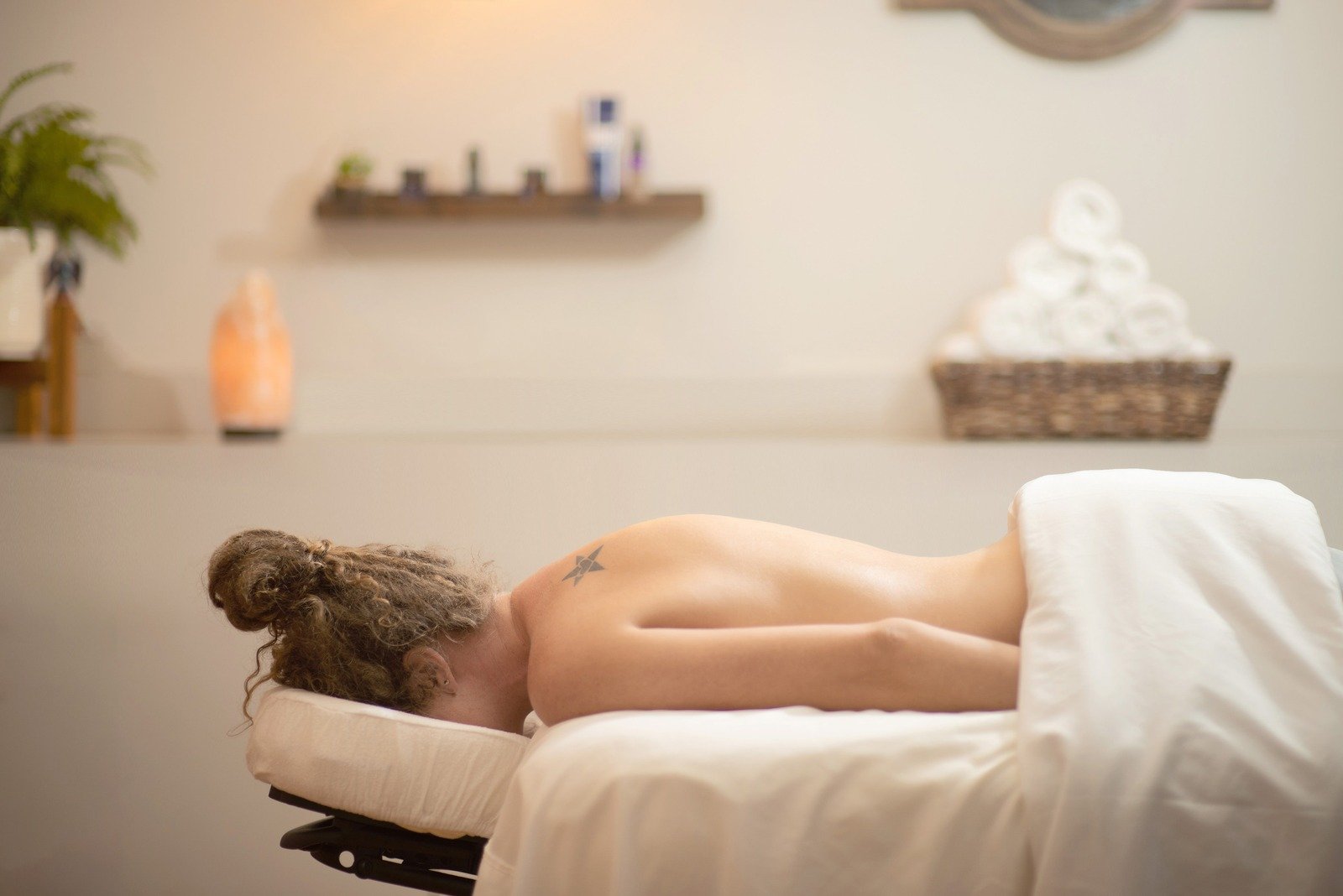

Round ligament pain massage at Soothe and Sage in Spokane WA

Massage for Round Ligament Pain

Soothe & Sage

Relief for That Sharp, Stabbing Pain

Gentle Support for Growing Pains

You stand up from a chair and a sharp, stabbing pain shoots through your lower belly. You sneeze and feel a sudden pulling sensation in your groin. You roll over in bed and a lightning bolt of discomfort stops you mid-motion. If these scenarios sound familiar, you're likely experiencing round ligament pain — one of the most startling and common pregnancy discomforts. While usually harmless, the intensity of the pain can be alarming and genuinely debilitating when it occurs frequently.

The round ligaments are thick, cord-like structures that run from the front of the uterus down through the inguinal canal and attach to the labia. In their non-pregnant state, they're short and firm, holding the uterus in its normal position. As pregnancy progresses and the uterus grows from the size of a pear to the size of a watermelon, these ligaments must stretch dramatically to accommodate. The problem is that rapid movements can cause them to contract or spasm — creating sharp, sudden pain that radiates from the lower abdomen into the groin, hip, or even down the inner thigh.

While the round ligaments themselves are too deep and sensitive to massage directly, the muscles that attach to the pelvis and influence ligament tension respond beautifully to bodywork. The hip flexors (psoas and iliacus) pull the pelvis into an anterior tilt that increases strain on the round ligaments. The adductor muscles of the inner thigh connect near the ligament attachments and can refer pain into the same area. The quadratus lumborum in the low back affects pelvic positioning from above. By releasing these interconnected structures, massage reduces the mechanical load on the round ligaments and decreases the frequency and intensity of painful episodes.

Treatment also includes gentle, supportive work around the lower abdomen and inguinal region — not deep pressure, but light, warming touch that increases blood flow to the area and helps the tissue adapt to the stretching demands placed on it. Many women find that even moderate hip flexor release provides immediate improvement, because a psoas in spasm tilts the pelvis forward aggressively, pulling on the round ligaments with every step.

Red light therapy, included with every session, supports tissue adaptation by stimulating collagen production and reducing inflammation in the stretched ligament tissue. As the ligaments undergo rapid lengthening, supporting their ability to adapt at the cellular level can reduce the severity of spasms. Combined with hands-on release of the surrounding musculature, most clients experience a significant decrease in round ligament pain frequency within one to two sessions.

Hip Flexor Release

Releasing the psoas and iliacus reduces the anterior pelvic tilt that increases strain on the round ligaments, decreasing the frequency of painful spasms during movement.

Adductor Work

The inner thigh muscles connect near round ligament attachments. Releasing tension here reduces referred pain and decreases the pulling forces on the lower pelvis.

Pelvic Alignment

Balancing the muscles above and below the pelvis reduces the asymmetric loading that makes round ligament pain worse on one side. Better alignment means less strain.

Tissue Adaptation

Red light therapy stimulates collagen production in stretching tissue, supporting the ligaments' ability to adapt to rapid lengthening with less spasm and pain.

Jordan Crogan L.M.T., massage therapist in Spokane WA

Written by Jordan Crogan, L.M.T., owner of Soothe & Sage Massage in Spokane's Garland District. Jordan has over a decade of hands-on massage therapy experience and provides customized sessions for deep tissue work, prenatal massage, lymphatic drainage, cupping, and restorative bodywork.

Gentle, Effective Relief

Round ligament pain responds to targeted hip flexor and pelvic work that reduces strain on the stretching ligaments. At Soothe & Sage, every session includes red light therapy to support tissue adaptation, plus salt stones, steamed towels, and aromatherapy — no add-on fees.

BOOK YOUR PRENATAL MASSAGE
Move Without Fear of That Sudden Pain

60-minute sessions are $135 and 90-minute sessions are $165. Every session includes red light therapy, salt stones, steamed towels, aromatherapy, and warm packs — all at one flat rate. No add-on fees, ever.

BOOK YOUR APPOINTMENT HERE

Massage for Round Ligament Pain FAQ

Can massage help with round ligament pain during pregnancy?
Yes, massage can significantly reduce round ligament pain by releasing tension in the hip flexors, adductors, and surrounding musculature that contributes to ligament strain. While the round ligaments themselves cannot be directly massaged, releasing the compensatory tension in surrounding structures reduces the load on these ligaments and decreases pain frequency and intensity.
What does round ligament pain feel like?
Round ligament pain typically presents as sharp, sudden, stabbing or pulling sensations in the lower abdomen or groin — usually on one side but sometimes both. It's often triggered by quick movements like standing up, rolling over in bed, coughing, or laughing. It's most common in the second trimester as the uterus grows rapidly and the round ligaments stretch to accommodate.
What causes round ligament pain during pregnancy?
The round ligaments are thick, cord-like structures that hold the uterus in place within the pelvis. As the uterus grows during pregnancy, these ligaments stretch significantly. Quick movements can cause them to contract or spasm, creating sharp pain. Relaxin hormone makes them more elastic but also more susceptible to strain. Tight hip flexors and poor posture increase tension on the ligaments.
Is it safe to massage the abdomen during pregnancy for round ligament pain?
Gentle abdominal massage is safe during pregnancy and can help relieve round ligament discomfort. The approach uses very light, supportive strokes on the lower abdomen and groin area — not deep pressure. The primary relief comes from releasing the hip flexors, adductors, and QL muscles that pull on the pelvis and increase strain on the round ligaments.
When does round ligament pain typically occur during pregnancy?
Round ligament pain is most common during the second trimester (weeks 14-27) when the uterus is growing most rapidly. However, it can occur at any point from the first trimester onward and may continue into the third trimester. It often intensifies with physical activity, prolonged standing, or at the end of the day.
Visit Soothe & Sage in the Garland District

1411 W. Garland Ave, Suite A • Spokane, WA 99205
Three blocks west of the Garland Theater • Free lot parking available
Phone/Text: 509 263 6099
@SootheandSageMassage on Instagram

Call / Text Book Now