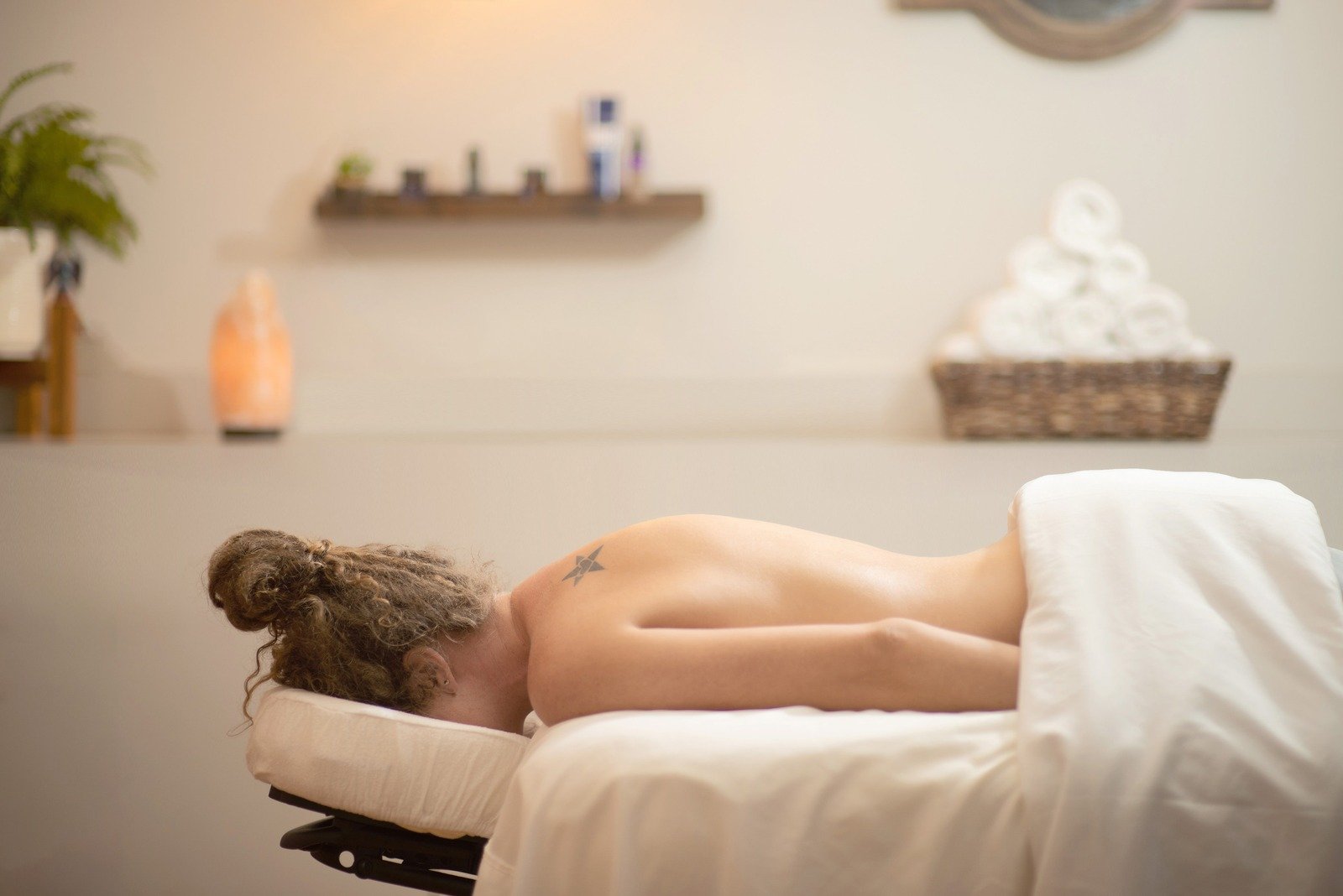

Sleep quality isn't just about hours in bed. You can spend eight hours lying down and still wake exhausted if your body never reaches the deep, restorative phases where actual healing happens. Deep slow-wave sleep (Stage 3 NREM) is where your body repairs tissue, consolidates memory, releases growth hormone, and resets the immune system. REM sleep is where emotional processing, learning consolidation, and creative problem-solving occur. When stress, pain, or nervous system dysregulation prevent you from reaching these phases, you accumulate a sleep debt that no amount of time in bed can repay.
Massage therapy improves sleep quality through four distinct, measurable mechanisms that work simultaneously. The first is neurochemical: massage increases serotonin production by an average of 28% (according to a meta-analysis published in the International Journal of Neuroscience). Serotonin is the precursor to melatonin — without adequate serotonin during the day, your brain cannot produce the melatonin it needs to initiate and maintain sleep at night. Simultaneously, massage reduces cortisol levels by up to 31%. Cortisol is the primary biological barrier to deep sleep; as long as it's elevated, your brain stays in a vigilant, light-sleep state that prevents descent into the restorative phases.
The second mechanism is nervous system regulation. Moderate-pressure massage activates the vagus nerve, triggering parasympathetic dominance — the neurological state required for deep sleep entry. The parasympathetic system slows heart rate, deepens breathing, reduces muscle tone, and shifts brain wave patterns from beta (alert) toward alpha and theta (relaxed and drowsy). This shift doesn't just feel relaxing — it physically prepares every system in your body for the restorative work that only happens during deep sleep. For people whose nervous systems are stuck in sympathetic overdrive (from chronic stress, trauma, or anxiety), massage provides the manual override their bodies cannot achieve alone.
The third mechanism is pain reduction. Chronic pain is the most common cause of sleep fragmentation — micro-awakenings that prevent your brain from completing full sleep cycles. You may not fully wake up, but each pain-triggered arousal pulls you from deep sleep into light sleep, erasing the restorative benefit. By releasing muscle tension, reducing inflammation, and improving circulation to damaged tissue, massage reduces the pain signals that fragment your sleep architecture. The result isn't just less pain — it's fundamentally different sleep quality.
The fourth mechanism is enhanced recovery circulation. During sleep, your body relies on blood flow to deliver nutrients and remove waste from repairing tissues. Massage significantly improves circulation, priming your body for more effective overnight recovery. Red light therapy amplifies this by improving cellular energy production (ATP) and reducing oxidative stress, supporting the cellular repair processes that occur during deep sleep. At Soothe & Sage, red light therapy is included free with every session, compounding the sleep quality benefits of massage with each visit.