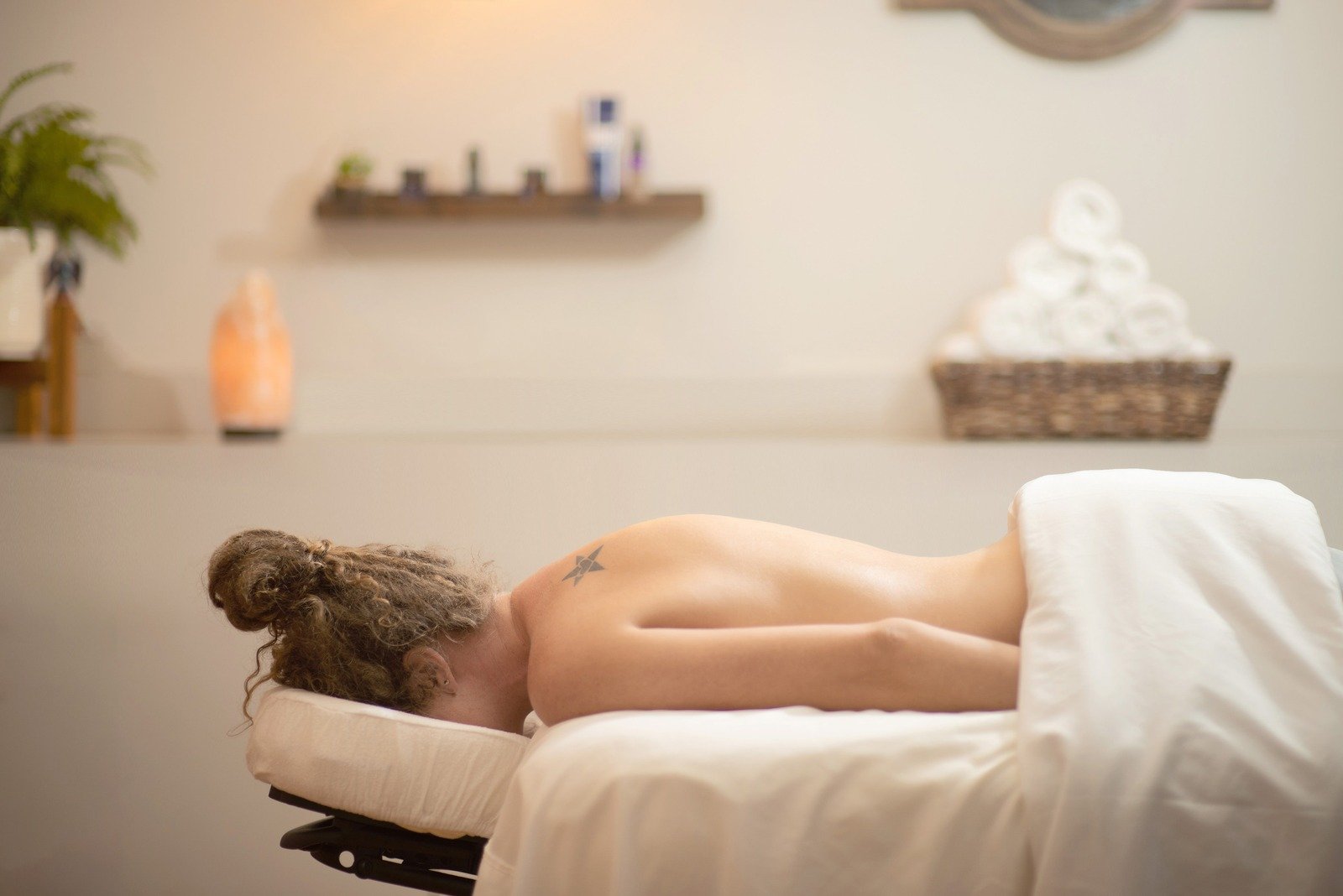

Everyone tells you to "sleep now while you can" — as if pregnancy insomnia hasn't already stolen that option. You're exhausted beyond measure, your body aches, and yet when you finally lie down, sleep refuses to come. Your mind races with anxieties about birth, parenthood, and everything in between. Your back hurts no matter how you position yourself. Your hips scream. The baby kicks. Heartburn rises. And the bathroom calls every ninety minutes. Up to 78% of pregnant women experience insomnia, and for many, it becomes the most depleting aspect of pregnancy.
Massage addresses pregnancy insomnia through multiple pathways simultaneously, which is why it's often more effective than any single intervention. The most immediate effect is cortisol reduction — massage has been repeatedly shown to lower cortisol levels by 30% or more in a single session. Cortisol is the stress hormone that keeps your mind alert and racing when you're trying to sleep. When cortisol drops, the nervous system can finally shift from the hypervigilant state that pregnancy hormones and anxiety create into the parasympathetic rest-and-digest mode that allows sleep to happen naturally.
Simultaneously, massage increases serotonin production — the neurotransmitter that your body converts into melatonin, the hormone that actually initiates sleep. This is why many women feel drowsy during or immediately after a massage — it's not just relaxation, it's a measurable neurochemical shift toward sleep readiness. Red light therapy, included with every session at Soothe & Sage, further supports serotonin production through its effect on mitochondrial function, amplifying this natural pathway to better sleep.
The physical component of pregnancy insomnia is equally important. When your back aches, your hips throb, and your legs are restless, no amount of mental relaxation can override the pain signals keeping you awake. By releasing the muscular tension that makes every sleeping position uncomfortable, massage removes the physical barriers to sleep. Many clients report that on massage days, they fall asleep faster, stay asleep longer, and wake feeling more rested — not because the session was magical, but because their body was finally comfortable enough and their nervous system calm enough to allow deep rest.
The timing of your massage can matter. Evening sessions — particularly after 4pm — allow the parasympathetic activation and cortisol reduction to carry directly into your bedtime window. The body stays in that relaxed, sleepy state for hours after a session, making the transition to sleep much smoother. However, massage at any time of day improves overall sleep architecture, and the cumulative effect of regular sessions trains your nervous system to access relaxation more easily every night.