
If you've been getting regular massages and are now pregnant, you might wonder whether prenatal massage is just a watered-down version of what you're used to — or whether it's genuinely different. The answer is that prenatal massage is a distinct modality that requires specialized knowledge of how pregnancy changes the body, which areas need protection, and how to effectively address pregnancy-specific discomforts. It's not simply regular massage made gentler. It's a fundamentally different approach designed for a body undergoing extraordinary transformation.
The most obvious difference is positioning. In a standard massage, you lie face-down on a flat table for much of the session, giving the therapist full access to your back, shoulders, and posterior chain. During pregnancy, lying flat on your stomach becomes impossible as the belly grows — and lying flat on your back is contraindicated after about 20 weeks because the weight of the uterus can compress the inferior vena cava, reducing blood flow to both you and the baby. Most prenatal therapists solve this by working in a side-lying position, which is safe but severely limits what's possible.
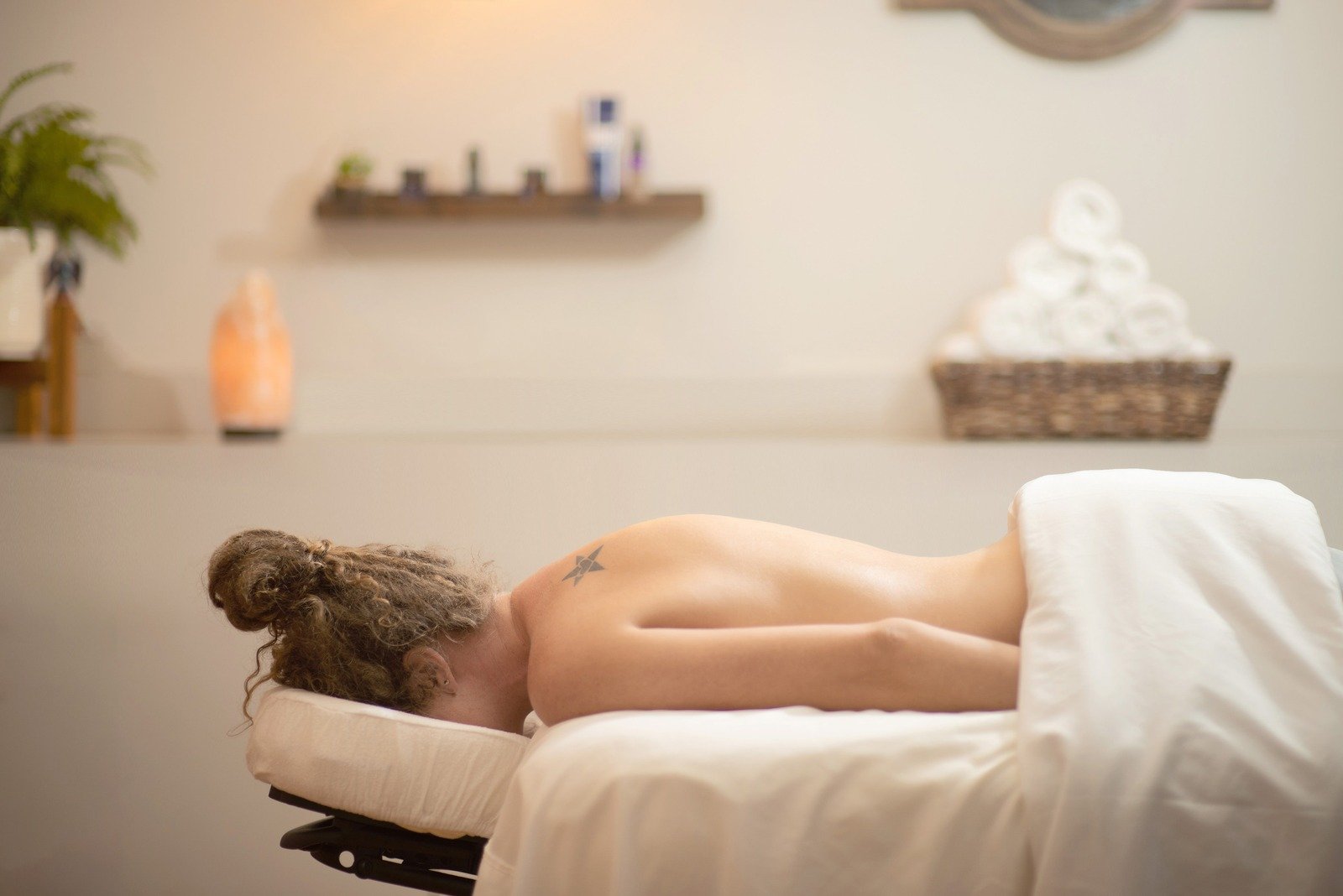
At Soothe & Sage, I solve this problem with a full body prenatal cushion that allows you to lie comfortably face-down at any stage of pregnancy. The cushion provides full belly and chest support, distributing your weight evenly and creating a well of space for your growing belly. This means I can work on your back, shoulders, and hips the same way I would in a regular massage — with full access and proper body mechanics — while keeping you and baby completely safe. This is genuinely rare among prenatal massage providers.
Pressure modifications are more nuanced than most people realize. It's not that prenatal massage is universally lighter — your back, shoulders, neck, and glutes can still receive firm, therapeutic pressure that addresses real tension. What changes is the approach to the legs: lighter pressure on the inner thighs and calves protects against the slightly elevated blood clot risk during pregnancy, and deep work avoids certain acupressure points on the ankles and hands that are associated with uterine stimulation. The abdomen receives only gentle, supportive touch rather than deep work. These aren't arbitrary restrictions — they're evidence-based precautions that protect a pregnancy-specific physiology.
The focus of prenatal massage also shifts to address pregnancy-specific issues that regular massage doesn't typically encounter: SI joint instability from relaxin, round ligament pain from uterine growth, thoracic tension from breast changes, hip pain from pelvic widening, swelling from increased blood volume, and the psychological stress of body transformation. A skilled prenatal therapist reads these patterns intuitively and adapts the session to what your pregnant body is telling them, rather than delivering a generic relaxation routine.